
The Rise of AI in Creative Fields
Artificial Intelligence has rapidly entered creative spaces once thought to be exclusively human. From AI-generated artwork and music to automated storytelling and digital design, machines are learning to “create.” Tools like ChatGPT, DALL·E, and Midjourney can produce poems, images, and songs in seconds — something that once took humans hours or days.
What Makes the Human Mind Truly Creative
Human creativity isn’t born from algorithms or data. It comes from emotion, experience, and imagination — things machines simply don’t have.
A painter doesn’t just combine colors; they express what words cannot. A writer doesn’t just choose words; they reveal a piece of their soul. Creativity is deeply tied to memory, culture, and feeling — all uniquely human experiences.
AI can copy a masterpiece, but it can’t understand why it’s beautiful. It can remix music, but it doesn’t know what heartbreak sounds like.
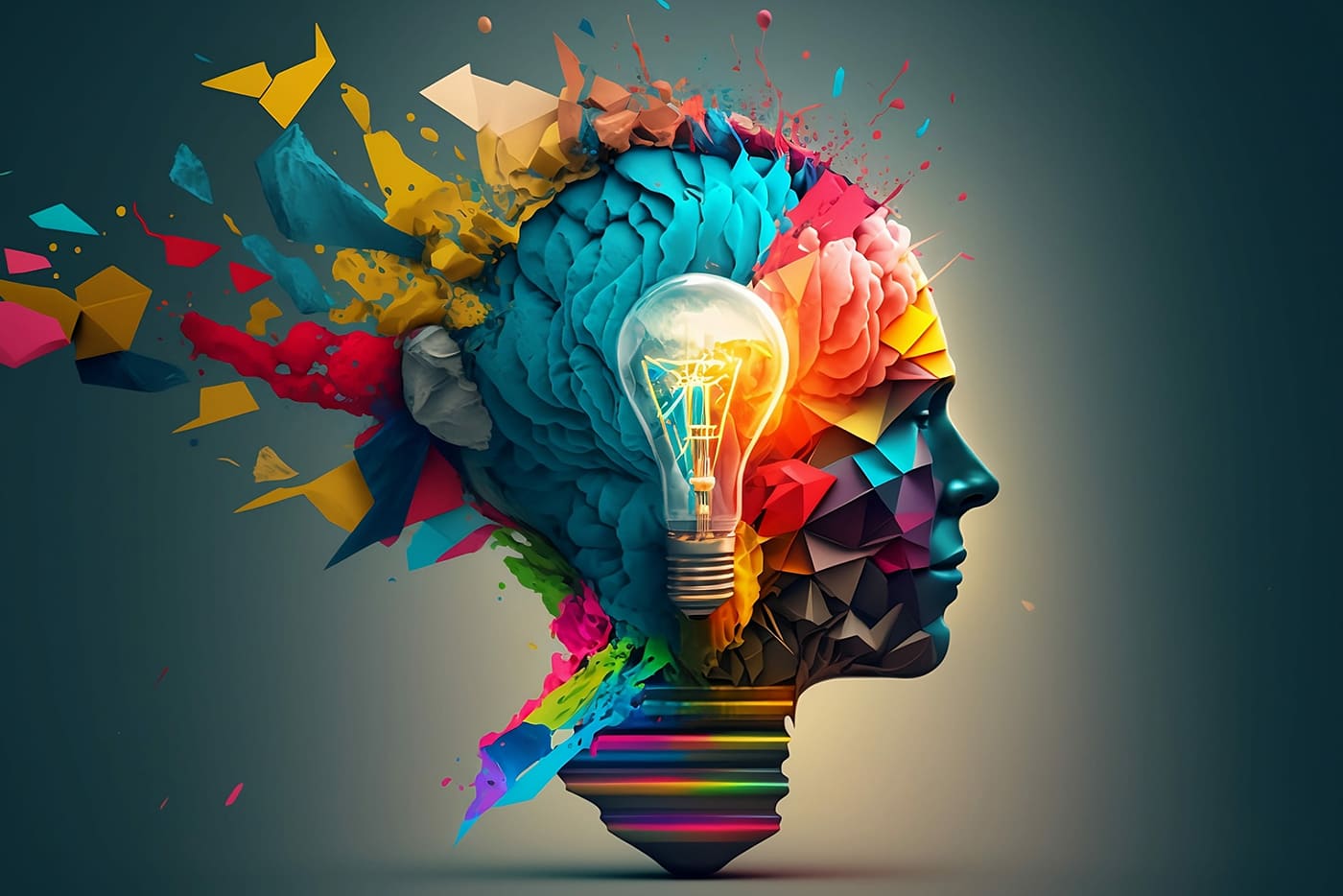
How AI Imitates — But Doesn’t Imagine
Artificial Intelligence doesn’t create from nothing. It learns from existing data — billions of human-made examples — and predicts what might come next. That means AI can imitate, combine, and remix ideas, but it cannot originate a new thought.
It lacks curiosity. It doesn’t question or dream. It doesn’t wonder “what if?” — a question that has driven human progress for centuries.
True imagination doesn’t come from a code. It comes from the chaos of human thought — a mix of emotions, memories, and imperfections that machines can’t replicate.
The Emotional Depth Machines Can’t Replicate
Every piece of art, every song, and every story holds emotion — joy, pain, love, loss. These feelings give art its meaning.
AI can simulate sadness in a poem or warmth in a melody, but it doesn’t feel them. It doesn’t know what it means to be moved to tears by its own creation. That emotional depth — the heartbeat of creativity — belongs to humans alone.
AI as a Creative Partner, Not a Replacement
Instead of fearing AI, we should learn to work with it. Machines can help us speed up the technical parts of the creative process — editing, designing, generating ideas — but they cannot replace the spark of originality.
The Future of Creativity in the AI Era
The future won’t be humans versus machines — it’ll be humans with machines. AI will continue to evolve, but creativity will always need a human heart to guide it.
Artists, writers, and innovators who use AI as a tool — not a crutch — will shape the next era of creative expression. Technology may change how we create, but not why we create.
Conclusion: The Irreplaceable Human Touch
The creative mind isn’t something that can be coded — it’s a living, breathing force that connects emotion, thought, and imagination. And as long as humans exist, creativity will remain the one thing machines can never truly replace.



0 Comments